

NEOLAiA Voices: Interview with Prof. Francesco De Caro
I am an Associate Professor of Hygiene and Preventive Medicine in the Department of Medicine, Surgery and Dentistry “Scuola Medica Salernitana” at the University of Salerno, as well as the Scientific Director of the “Public Health Laboratory for the Analysis of...
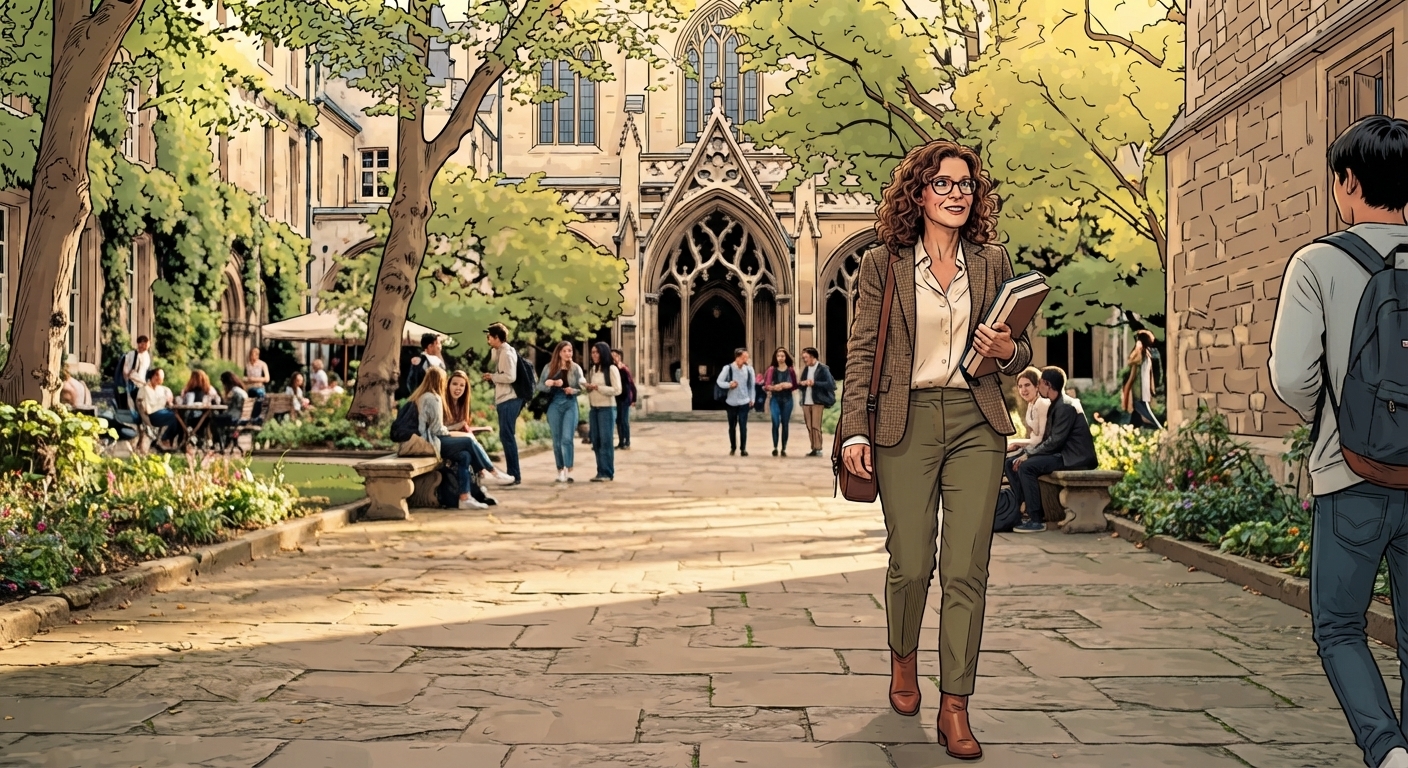
NEOLAiA Voices: Interview with Prof. Maria Grazia Romano
My name is Maria Grazia Romano, and I am an Associate Professor in the Department of Economics and Statistics at the University of Salerno, where I teach International Economics on the three-year Bachelor’s degree programme in Economics and Business, and Asset Pricing...
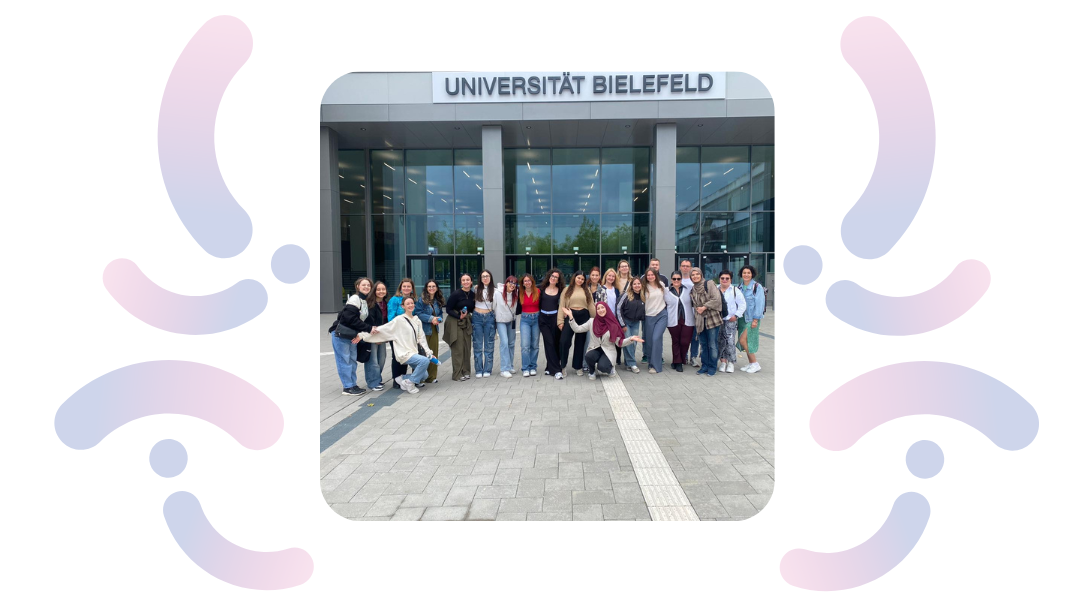
NEOLAiA Voices: Interview with Prof. Erika Marie Pace
My name is Erika Marie Pace. I am of Maltese origin, and I have always had a strong interest in engaging with people from different backgrounds, as well as with different cultures and perspectives. I am an Associate Professor of Teaching and Special Education at the...
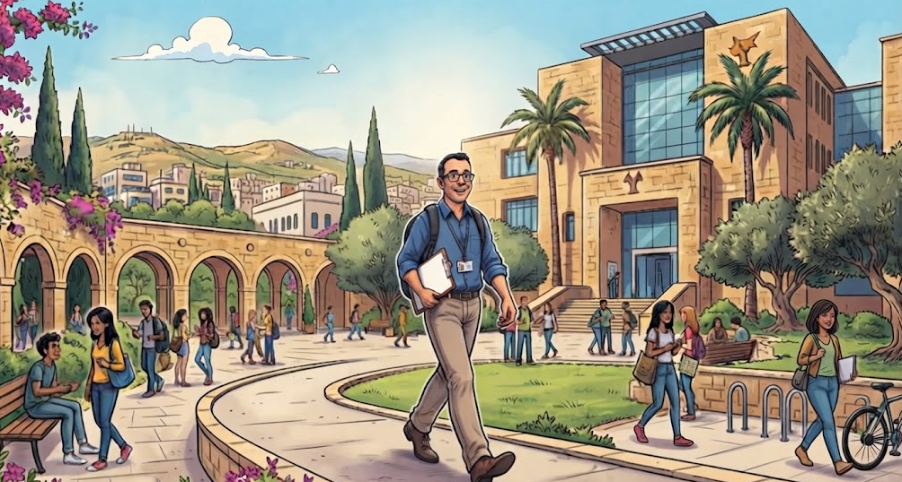
NEOLAiA Voices: Interview with Roberto Napoli
My name is Roberto Napoli. Since 2006, I have worked in the Protocol and Archives Office at the University of Salerno, where I am responsible for document management and registration, as well as the organisation of administrative records through the Titulus97 document...
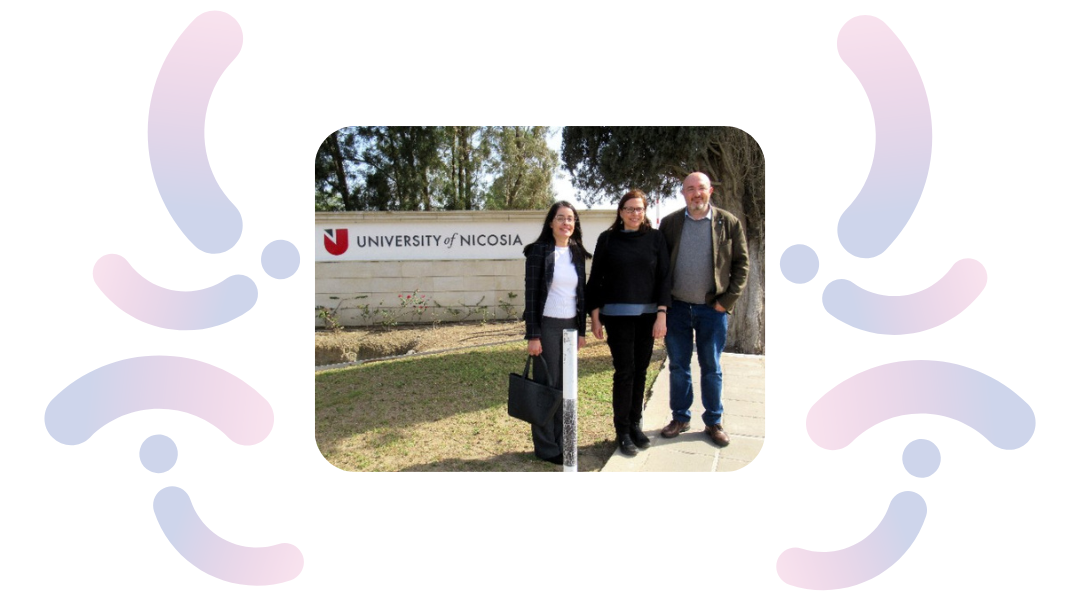
NEOLAiA Voices: Interview with Prof. Michele Domenico Todino
I am an Associate Professor at the University of Salerno, where I am affiliated with the Department of Humanities, Philosophy and Education and a member of the “Teaching Learning Center for Education and Inclusive Technologies – Elisa Frauenfelder” Laboratory. I also...

NEOLAiA Voices: Interview with Prof. Paola Attolino
I am a lecturer in English Language in the degree programmes of the Teaching Council for Social Work Sciences and Sport and Society at the Department of Political and Social Studies, my home department, as well as in the degree programmes of the Teaching Council for...
NEOLAiA Voices: Interview with Tiziana Varani
My name is Tiziana Varani, and I work at the University of Salerno as an Administrative Officer within the Academic Staff Recruitment Office. My office is responsible for planning, coordinating and managing the entire lifecycle of selection and recruitment procedures...

NEOLAiA Voices: Interview with Anna De Pascale
My name is Anna De Pascale, and I serve as Head of the Strategic and Management Support Coordination Office at the University of Salerno. My office is part of Area I, whose primary role is to support the University's governance and strategic decision-making...

NEOLAiA Voices: Interview with Tiziana Bisogno
My name is Tiziana Bisogno, and since November 2021 I have served as Head of the Academic Staff Recruitment Office at the University of Salerno. My office is responsible for preparing and managing all selection and recruitment procedures for both academic staff and...

NEOLAiA Voices: Interview with Filomena Ferrara
My name is Filomena Ferrara, and I serve as Head of the Office for the Coordination of Teaching, Academic Governance, Higher Education, and Student Careers. My role involves coordinating the activities of the offices responsible for these areas across the University’s...

NEOLAiA Voices: Interview with Eleonora Avallone
My name is Eleonora Avallone. I work as an archivist at the Protocol and Archives Office of the University of Salerno. I am responsible for document management, overseeing document registration, archiving, and the organisation of administrative records, with the aim...

NEOLAiA Voices: Interview with Giuseppe Ferrara
My name is Giuseppe Ferrara, I am 36 years old and I am from Cava de' Tirreni. I studied Communication at the University of Salerno, where I obtained a Master’s degree in Theories and Techniques of Audiovisual Languages. After working for around ten years in...

NEOLAiA Voices: Interview with Daniela Varani, Francesca Meloro and Rosa D’Agostino
We are Daniela Varani, Francesca Meloro and Rosa D’Agostino, members of the administrative staff at the University of Salerno. We work in the Internationalisation Office, and our role involves supporting students and academic staff in managing international mobility...

NEOLAiA Voices: Interview with Emilia De Stefano
I work at the University of Salerno within the administrative offices, specifically in the Teaching, Academic Bodies, Advanced Training and Student Careers Office of the Department of Business Sciences – Management & Innovation Systems (DISA-MIS), where I serve as...

NEOLAiA Voices: Interview with the PhD student Carmine Sessa
My visiting experience at Örebro University was extremely positive and inspiring. It gave me the opportunity to engage with an international academic environment, explore new approaches to research, and build connections with researchers and PhD candidates from...

NEOLAiA Voices: Interview with Prof. Christian Carmine Esposito
My name is Christian Carmine Esposito, and I am an Associate Professor at the Department of Computer Science of the University of Salerno. My research focuses on cybersecurity, with particular emphasis on the design of hardware-based security solutions, blockchain...

NEOLAiA Voices: Interview with Prof. Beatrice Wilke
I am Associate Professor of German Language, Translation and Linguistics at the Department of Humanities. My research primarily focuses on spoken language, conversation analysis, contrastive linguistics, and the teaching of German as a foreign language, as well as on...

NEOLAiA Voices: Interview with Dr. Maria Angela Pellegrino
I am Maria Angela Pellegrino, an Assistant Professor (tenure track) at the University of Salerno. My research mainly explores methods and tools for assessing and improving the quality of semantic data, as well as the design and evaluation of technology-enhanced...

NEOLAiA Voices: Interview with the PhD student Gabriele Tuozzo
My name is Gabriele Tuozzo, and I am a PhD student at the Department of Computer Science of the University of Salerno. My research area lies within the fields of the Semantic Web and Knowledge Graphs, with a specific focus on Knowledge Graph quality and FAIRness. In...

NEOLAiA Voices: Interview with the PhD student Andrés Ludueña
The experience at Örebro University for the ESR Mentorship Programme was extremely positive and enriching, both from an academic and a personal perspective. During the visit, Carmine Sessa and I had the opportunity to explore the city and the university campus,...

NEOLAiA Voices: Interview with Prof. Rosario Pellegrino
I am a Professor of French Linguistics and Translation at the University of Salerno. My research focuses primarily on the French language, linguistics, and translation, with a particular interest in language teaching and learning, as well as in the comparison of...

NEOLAiA Voices: Interview with Prof. Carla Ferreyra
I am an architect and a PhD holder, working in the field of conservation, documentation, and digital management of cultural heritage. My research integrates architectural representation, digital surveying, HBIM, and decision-support systems for the management of...

NEOLAiA Voices: Interview with Prof. Carla Sardo
I am Carla Sardo, Associate Professor at the Department of Pharmacy of the University of Salerno. My research focuses on pharmaceutical technologies and nanotechnologies for biomedical applications, with particular emphasis on drug and gene delivery systems, as well...

NEOLAiA Voices: Interview with Prof. Sabrina Senatore
I am a professor at DIEM, the Department of Information Engineering, Electrical Engineering, and Applied Mathematics. For many years, I have been conducting research in semantic technologies, fuzzy logic, clustering, and multi-agent systems. In recent years, my...

UNISA and EU-funded research: updated dataset (2026)
In July 2025 we published a first overview of the participation of the University of Salerno in European Union funded research projects for the 2021–2027 programming period. That post presented a dataset designed to highlight the University’s growing engagement in...
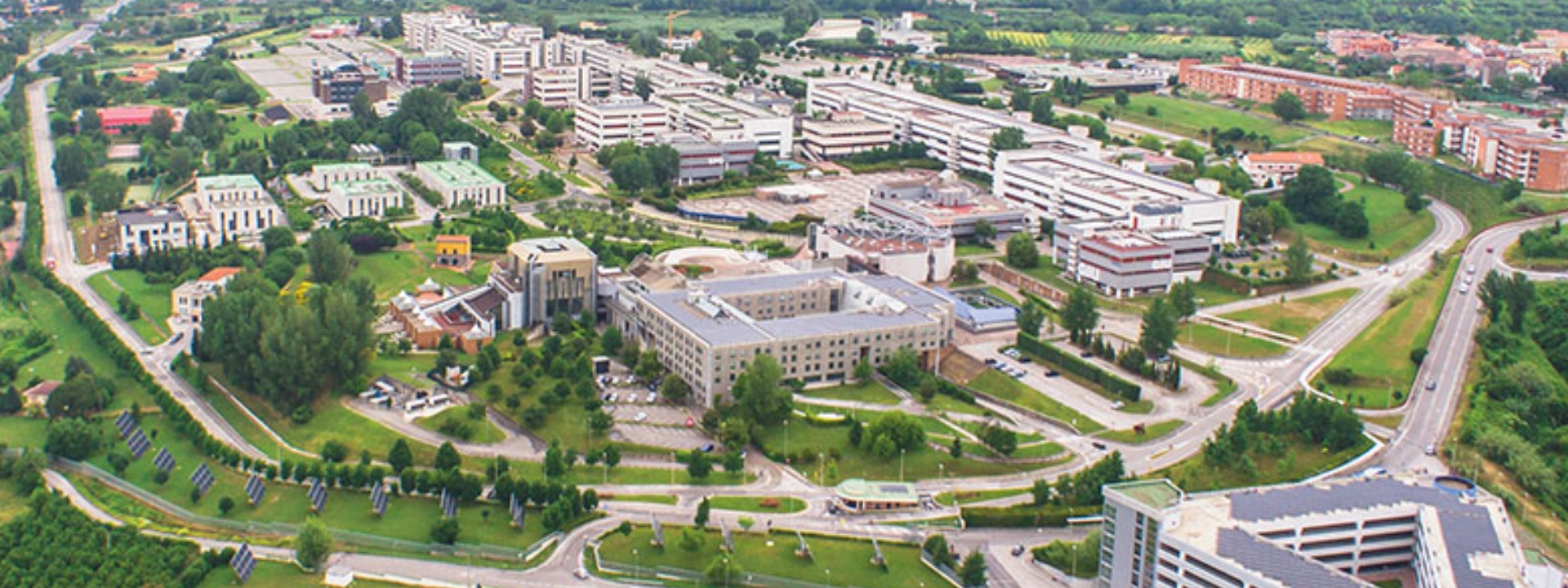
Inside the Numbers: Exploring Degree Programs at the University of Salerno, 2024–2025
The 2024–2025 dataset of degree programs at the University of Salerno offers a fascinating overview of the academic landscape, reflecting both the diversity of disciplines and the dynamic balance between students across study levels. This year, the University features...

What Is a D&I Training? Building Awareness, Empathy, and Belonging in Universities
Behind the acronym “D&I” – Diversity and Inclusion – lies more than a policy topic. In universities, it means creating environments where every voice matters, every individual can belong, and every difference becomes a strength. A D&I Training is a learning...
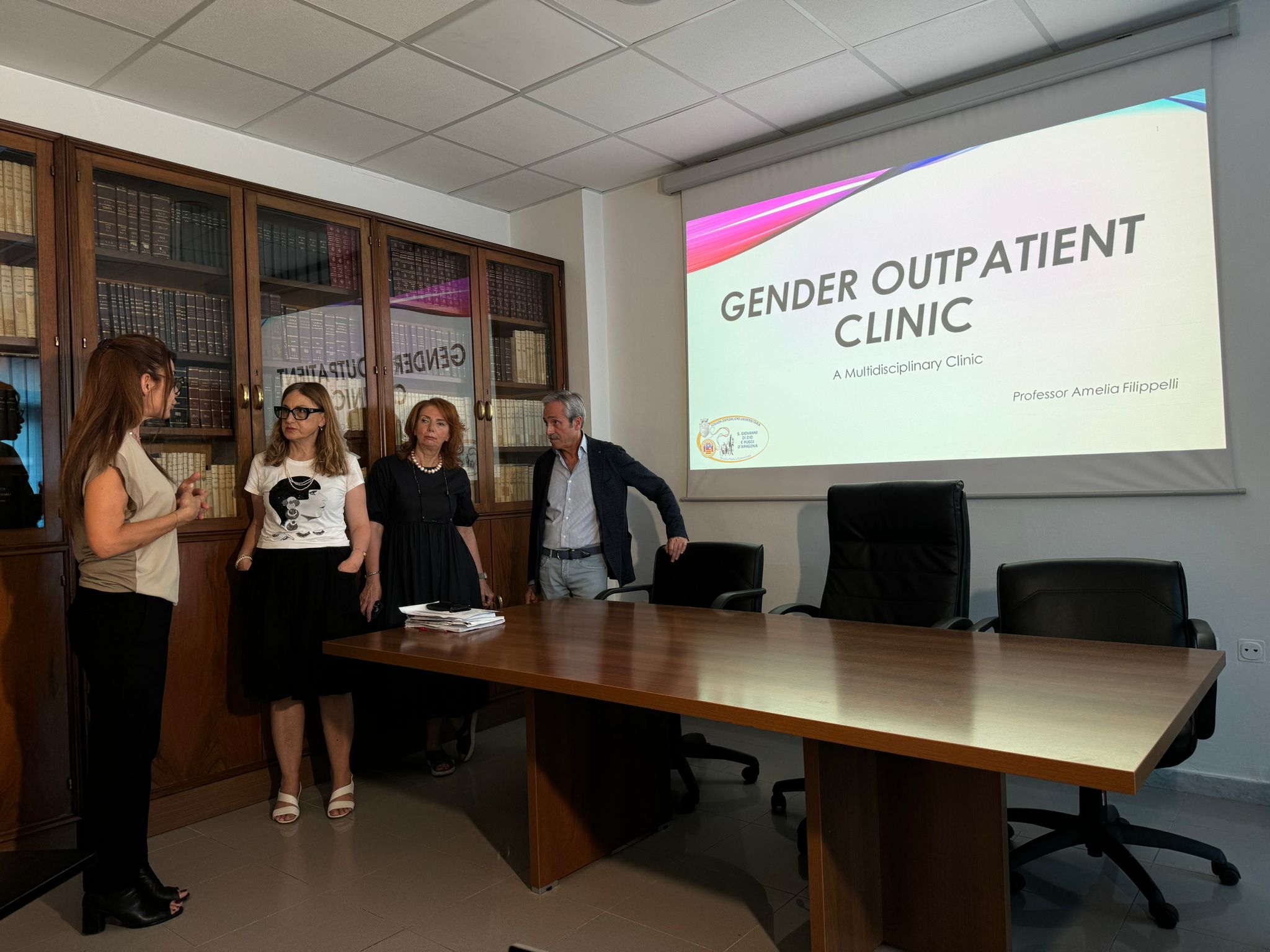
NEObest Practices: UNISA’s Experiences for a More Inclusive University
Within NEOLAiA, the sharing of knowledge and good practices is a fundamental pillar in building a more inclusive and innovative European university. This is why NEObest was created: a tool dedicated to collecting and disseminating the best diversity and inclusion...

Universities as Drivers of Entrepreneurship: An Analysis of Best Practices
The report on best practices in entrepreneurship from the European project NEOLAiA highlights the increasingly crucial role that universities play in shaping regional innovation ecosystems. Far from being simple training centers, academic institutions are transforming...
From Network to Community: How NEOLAiA Builds Digital Connections
In today’s academic landscape, technology offers new ways to connect and collaborate. NEOLAiA, the European Universities Alliance, has turned digital tools into vibrant spaces where faculty, researchers, and staff can meet, exchange ideas, and grow together. The...
Citizen Science: the power of collective knowledge
Have you ever transcribed an old document online, photographed an unusual plant during a walk, or reported sighting a rare animal? At that moment, maybe without realising it, you were already contributing to Citizen Science. You don't need to be a scientist or have...

Exploring International Student Mobility at UNISA: A 2023/2024 Snapshot
The 2023/2024 academic year has marked another vibrant chapter in the internationalization of the University of Salerno (UNISA). With hundreds of students coming in and going abroad through exchange programs, this year's mobility figures shed light on evolving trends...

UNISA and EU-Funded Research: A Commitment to International Knowledge and Innovation (2021–2025)
In recent years, the role of universities in shaping a more inclusive, innovative, and resilient Europe has become increasingly central. Research is no longer confined to academic boundaries—it drives transformation, fosters collaboration, and addresses global...

“Virtual Mobility Within a Course”: what it is and how it works
NEOLAiA’s Virtual Mobility was created to make internationalization genuinely accessible, sustainable, and high-quality. It operationally interweaves the Alliance’s three pillars—enhanced mobility, diversity & inclusion, and digital transformation—offering...
What is a Language Policy
In the Europe of universities, increasingly interconnected and international, language plays a key role. Welcoming students from different countries, creating joint programmes, publishing research accessible at a global level: all these activities require not only...
Data.europa and harvesting: building the ecosystem of open data
When people talk about open data, they often imagine complex tables, charts and numbers that are difficult to understand. In reality, open data is simply information made available to everyone without restrictions, such as population statistics, environmental maps,...
Digital Badges and Micro-Credentials: understanding the difference
In education and professional training, digital badges and micro-credentials are often mentioned. At first glance, they may look similar, but their purpose and recognition differ significantly. 🔹 Digital Badges Digital badges are symbolic recognitions that show...
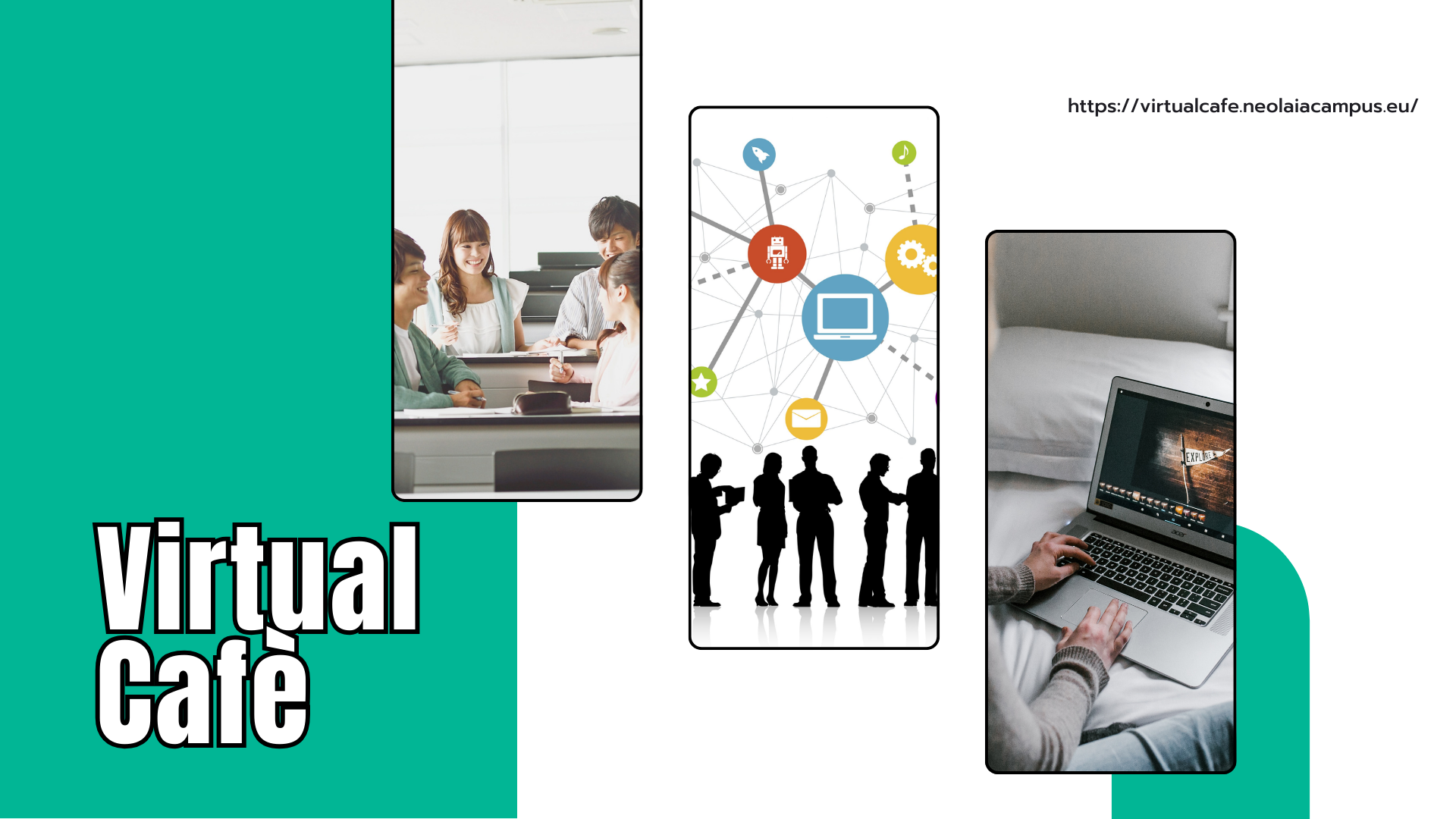
Virtual Café: digital spaces for collaboration
How virtual systems are transforming interaction between universities and research communities A Virtual Café system is a digital platform designed to facilitate communication, collaboration, and knowledge sharing within a community. These virtual spaces are...

When education goes digital
In the past few years, terms such as virtual reality, augmented reality and metaverse have moved beyond science fiction and into our lives. Previously associated with video games or entertainment, today they are opening up new scenarios for education. Imagine...
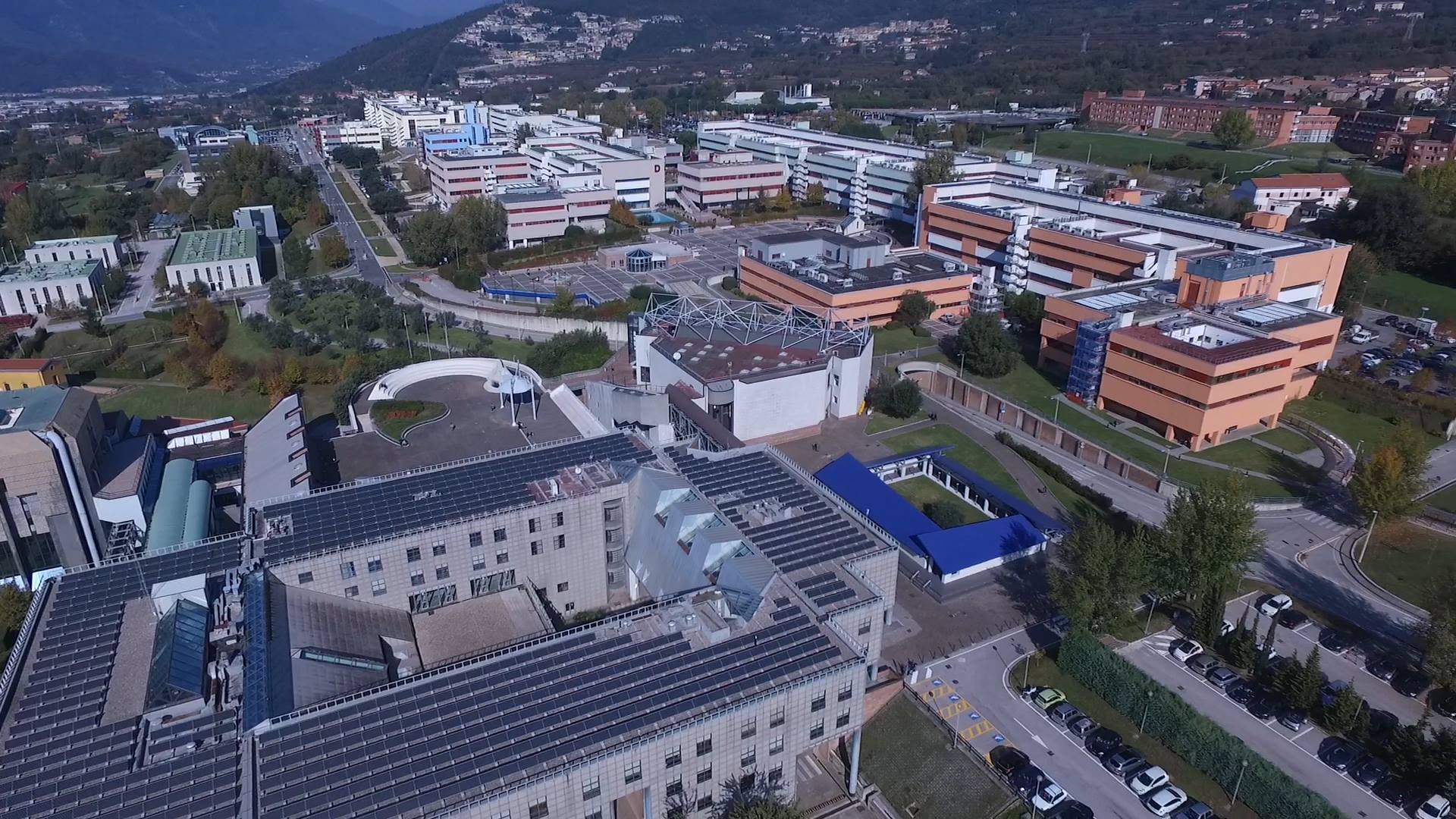
Exploring Student Demographics at the University of Salerno
The University of Salerno has just released a comprehensive dataset that provides insights into student enrollment across its academic programs for the 2023-2024 academic year. The data includes key demographic information such as gender, age, and program specifics,...

What Are Joint Degrees and Why They Represent the Future of European Universities
In recent years, European universities have increasingly invested in the creation of Joint Degrees, study programmes developed through the collaboration of institutions from different countries. These programmes allow students to follow an integrated path, jointly...

What is a Living Lab?
According to the European Commission, “Living Labs operate as intermediaries among cities, regions, firms, third sector and research organisations as well as citizens for joint value co-creation, rapid prototyping or validation to scale up and speed up innovation and...
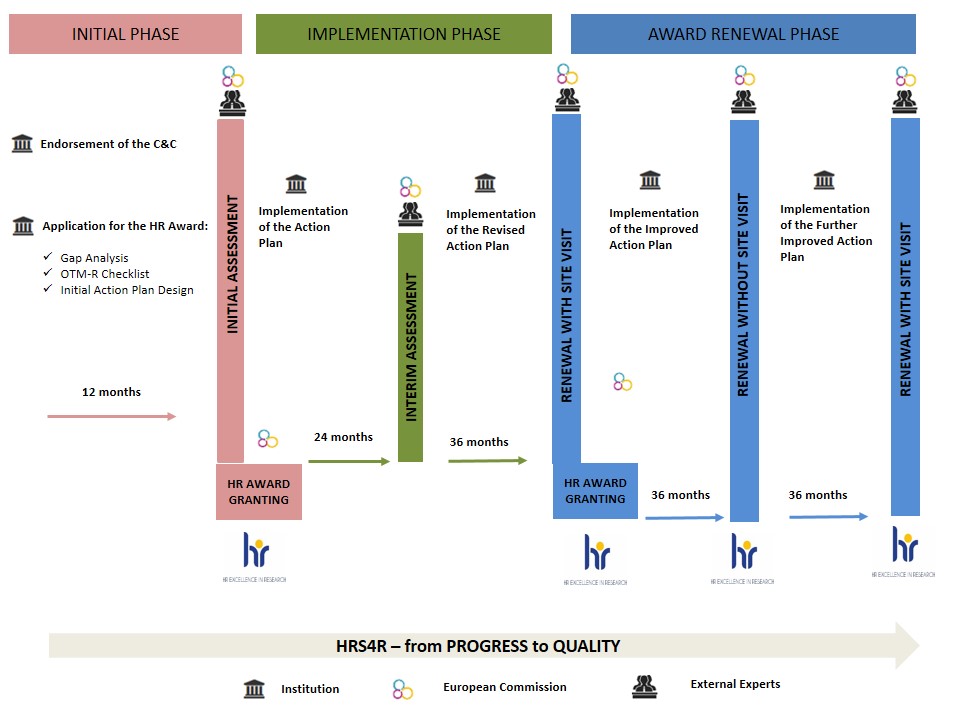
What is the label HRS4R?
In the world of research, institutions are increasingly asked to demonstrate not only scientific excellence but also a commitment to fair and supportive working conditions. One key recognition in this area is the HRS4R label, short for Human Resources Strategy for...

🌐Micro-Credentials: The Future of Flexible Learning
How small certifications are reshaping the way we learn In recent years, the world of education and professional training has been experiencing a quiet yet profound transformation: micro-credentials. These are specialized qualifications designed to certify specific...

What is the ESR Mentorship Programme?
Supporting the next generation of researchers is one of NEOLAiA’s key priorities. Through the ESR (Early-Stage Researcher) Mentorship Programme, the Alliance offers PhD students and postdoctoral researchers an opportunity to expand their professional networks, gain...

Exploring the University of Salerno (UNISA) Timeline Dataset
The UNISA Timeline Dataset offers a detailed look at the key moments that have shaped the University of Salerno’s history. Through this dataset, readers can explore the university’s journey from its roots in medieval education to its modern status as a vibrant...
Why European Projects Matter
Projects funded by the European Union are key tools for promoting international cooperation, scientific excellence and social impact. These projects offer universities the opportunity to experiment with new methodologies, develop interdisciplinary skills and create...

Building European Youth Cohesion through Knowledge
European University Alliances European University Alliances are collaborative networks formed by universities across Europe to enhance cooperation in education, research, and innovation. Since 2019, four yearly calls have been made to promote a European Education Area...

EU eight pillars of Open Science
EU 8 Pillars of Open Science The European Commission has identified eight 'pillars' or 'ambitions' on which the principles of Open Science are based: 1. Rewards and Incentives Career evaluation systems for researchers should give...

UNESCO Recommendation on Open Science
What is Open Science? According to the definition in the UNESCO Recommendation, Open Science is an inclusive concept that encompasses activities and practices aimed at making scientific knowledge open, accessible, and usable by all. This facilitates scientific...